
AZ00952618
Sold 6

Easy
More than 30 minutes
$11.70
$12.99

Not sure if this is the right part?
Check now




AZ00952618
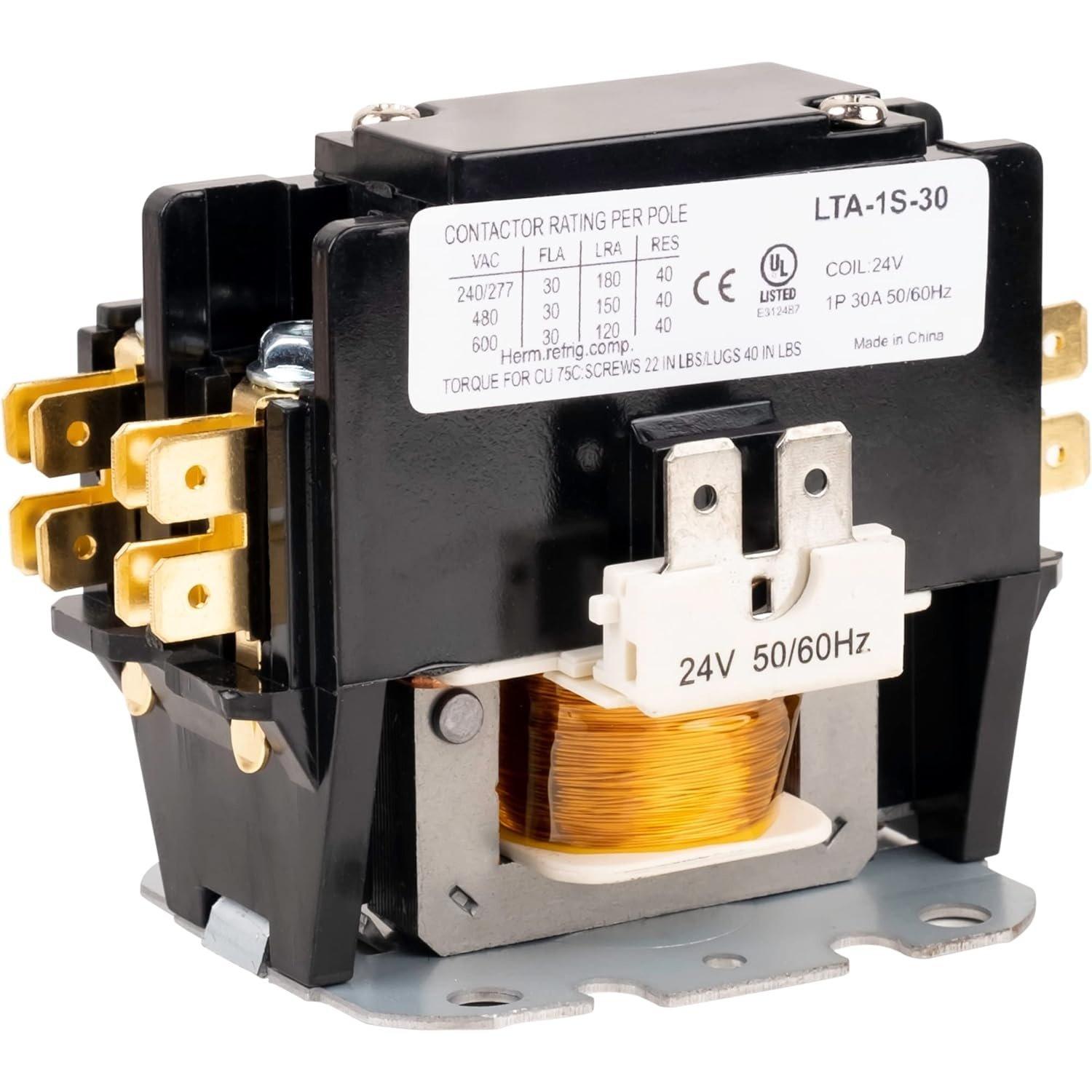
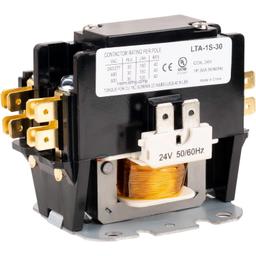
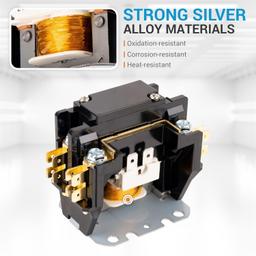
1 Pole 30 Amp 24V Contactor
Sold 6
Easy
More than 30 minutes
$11.70
$12.99
Save $1.29
In Stock
Fast delivery
Confirm the fit for your model
Find your model number and check it here to see if the part fits.
Description
Description
1 Pole 30 Amp 24V Contactor
Key Features
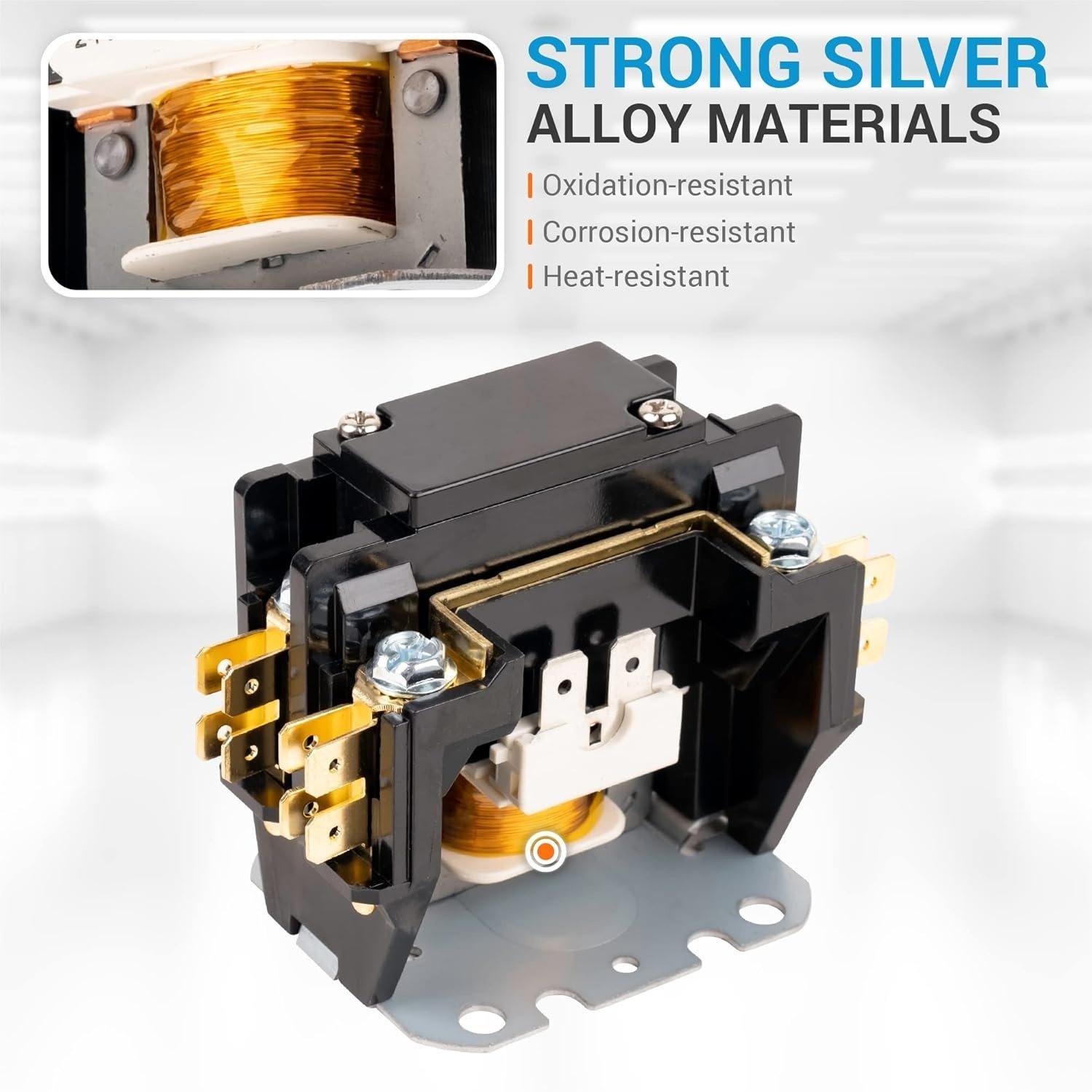
- Type: Definite Purpose Contactor
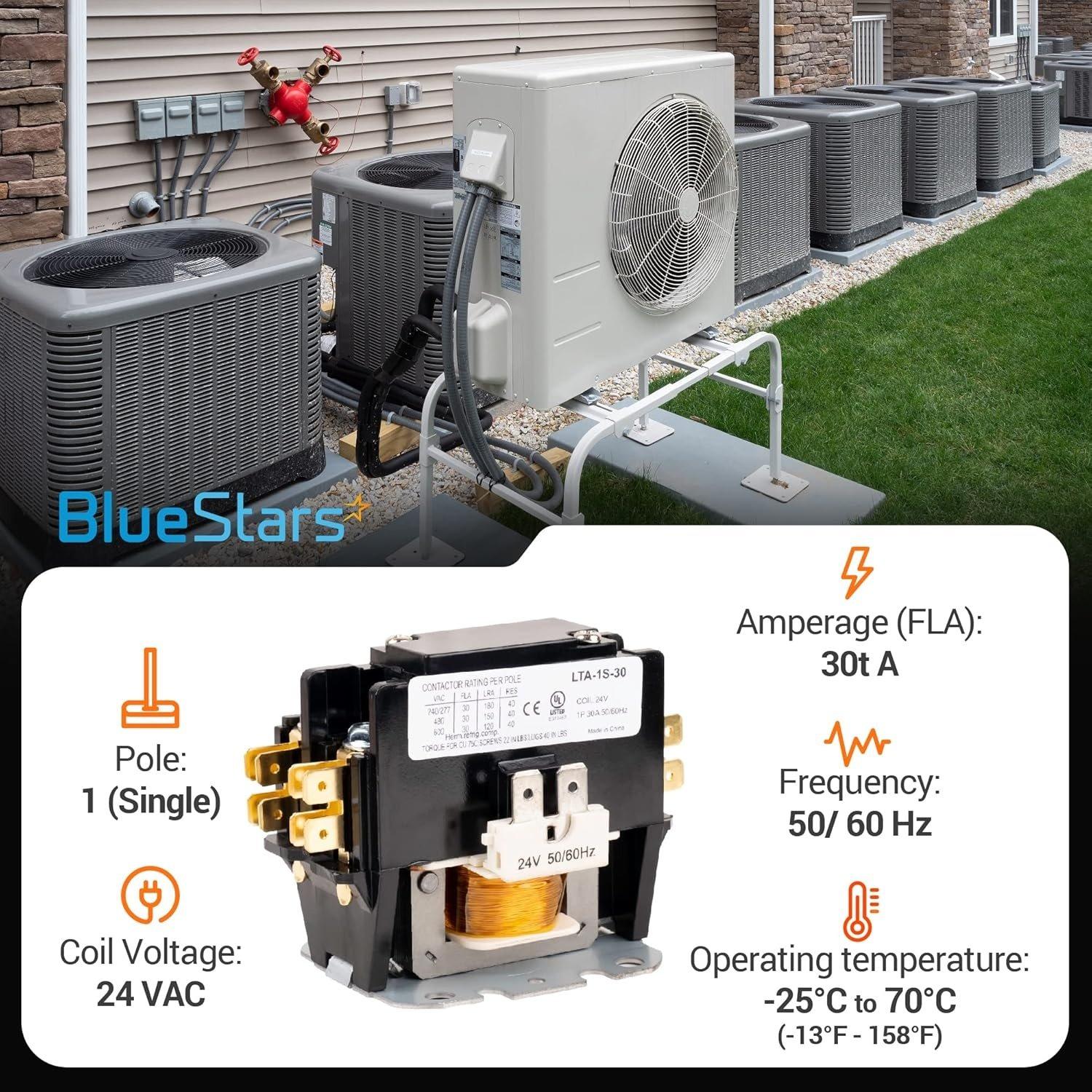
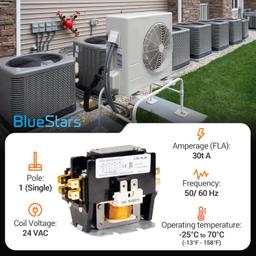
- Poles: 1 (Single Pole)
- Coil Voltage: 24 VAC
- Amperage Rating: 30 Amps (Full Load)
- Frequency: 50/60 Hz
- Terminals: Box lugs and spade terminals
- Includes protective dust cover
Replaces / Cross-Reference Part Numbers
- PACKARD: C130A
- Eaton: DP30241
- Honeywell: 168215
- Lennox: 3100-15Q108
- Rheem: 4250-66, 425066
- TCDP301B6
Compatibility & Fitment
- Designed for use in HVAC systems and other electrical applications.
- Commonly installed in outdoor air conditioning and heat pump condensing units, typically from 1.5 to 3.5 tons.
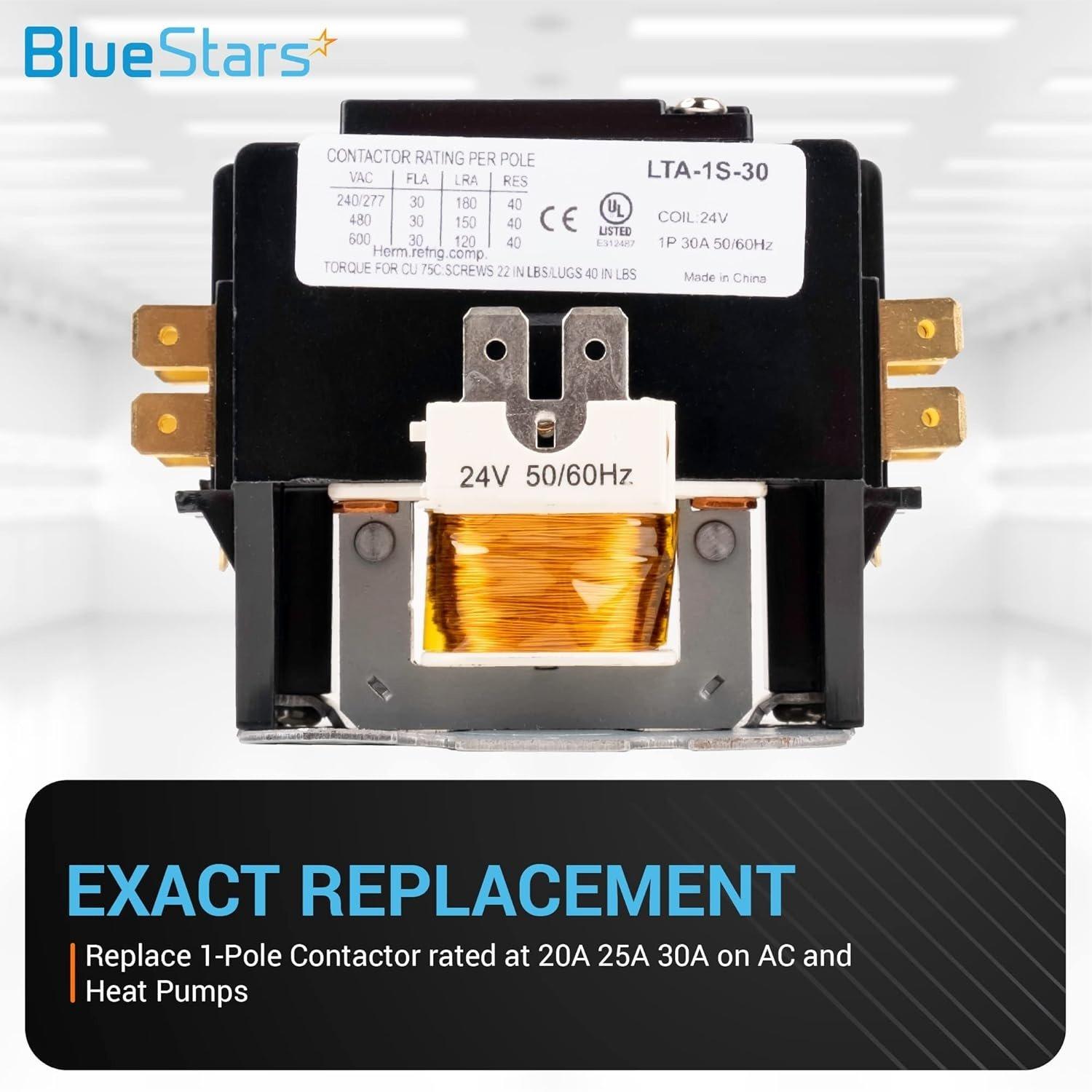
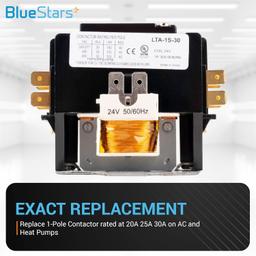
- Functions as a direct replacement for parts with matching specifications (1 pole, 30 amp, 24V coil).
- Fits equipment from brands such as Trane, Rheem, Lennox, and Eaton that use a contactor with these ratings.
When to Replace
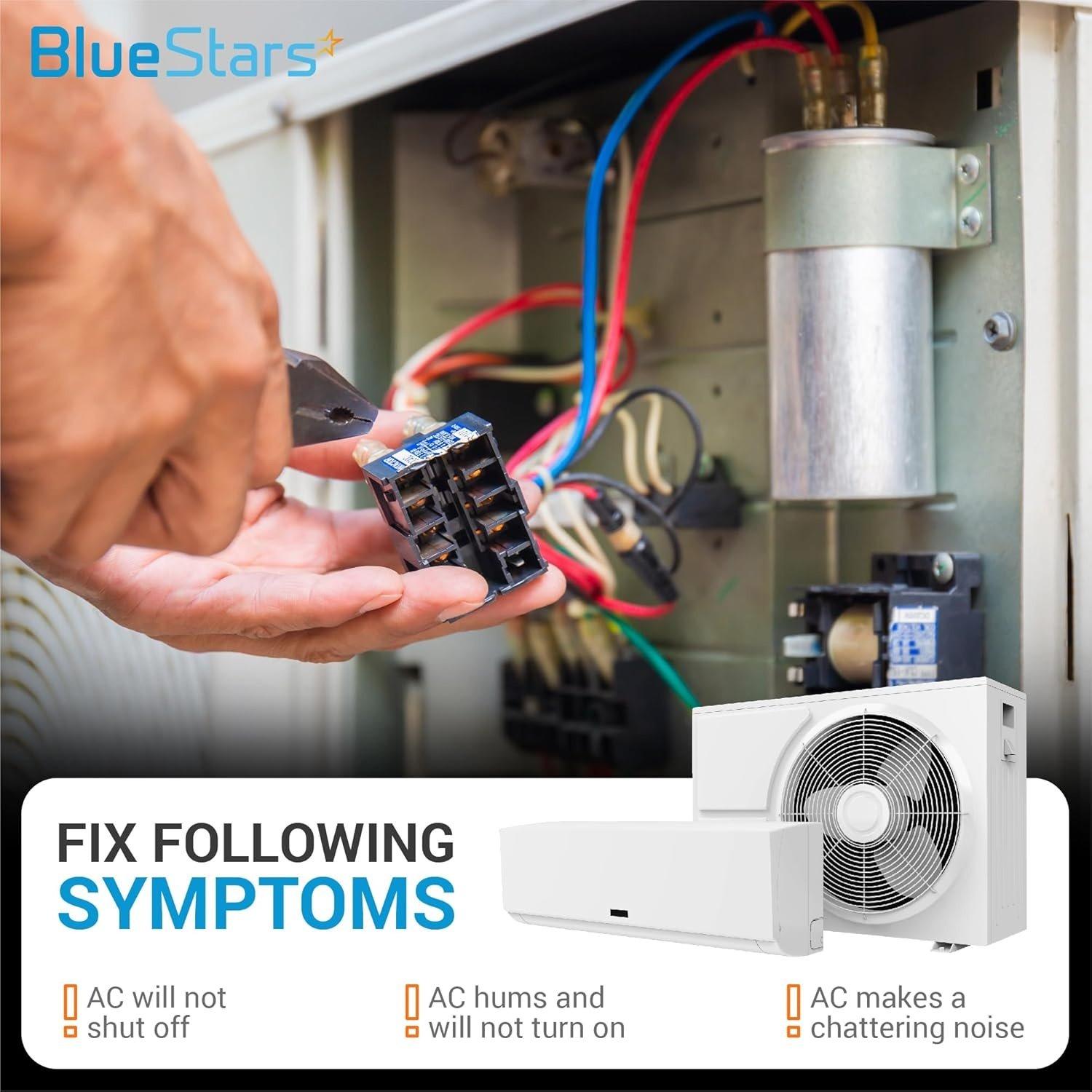
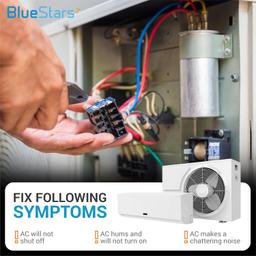
- Outdoor unit does not activate when the thermostat signals for operation.
- A loud humming or buzzing sound is heard from the unit without the fan or compressor starting.
- Visible signs of damage, including burnt, pitted, or corroded electrical contacts.
- The contactor remains stuck in the on position, causing the unit to run constantly.
- The internal coil fails a continuity test with a multimeter.
Installation Tips
- Before installation, disconnect all electrical power to the unit at the main circuit breaker and the local service disconnect.
- Use a multimeter to verify that no voltage is present at the contactor terminals.
- Photograph or label the wiring configuration of the old contactor before removal.
- Ensure the new contactor is mounted securely in the control panel.
- Confirm all wire connections are tight and fully seated on the correct terminals.


