
Review
Gas vs Electric Lawn Mowers: Which Is Better for You?
 A
AAZparts Team
Updated on November 5, 2025
6 min read
When taking care of your garden or lawn, choosing the right lawn mower plays a crucial role in making the job easier and more efficient. Currently, there are two main types of lawn mowers on the market: gas-powered and electric-powered, each with its own advantages and disadvantages. So, between gas and electric lawn mowers, which one is truly suitable for your needs and conditions? In the article below, AZParts will help you better understand how they work, their pros and cons, and the factors to consider in order to make the best choice.
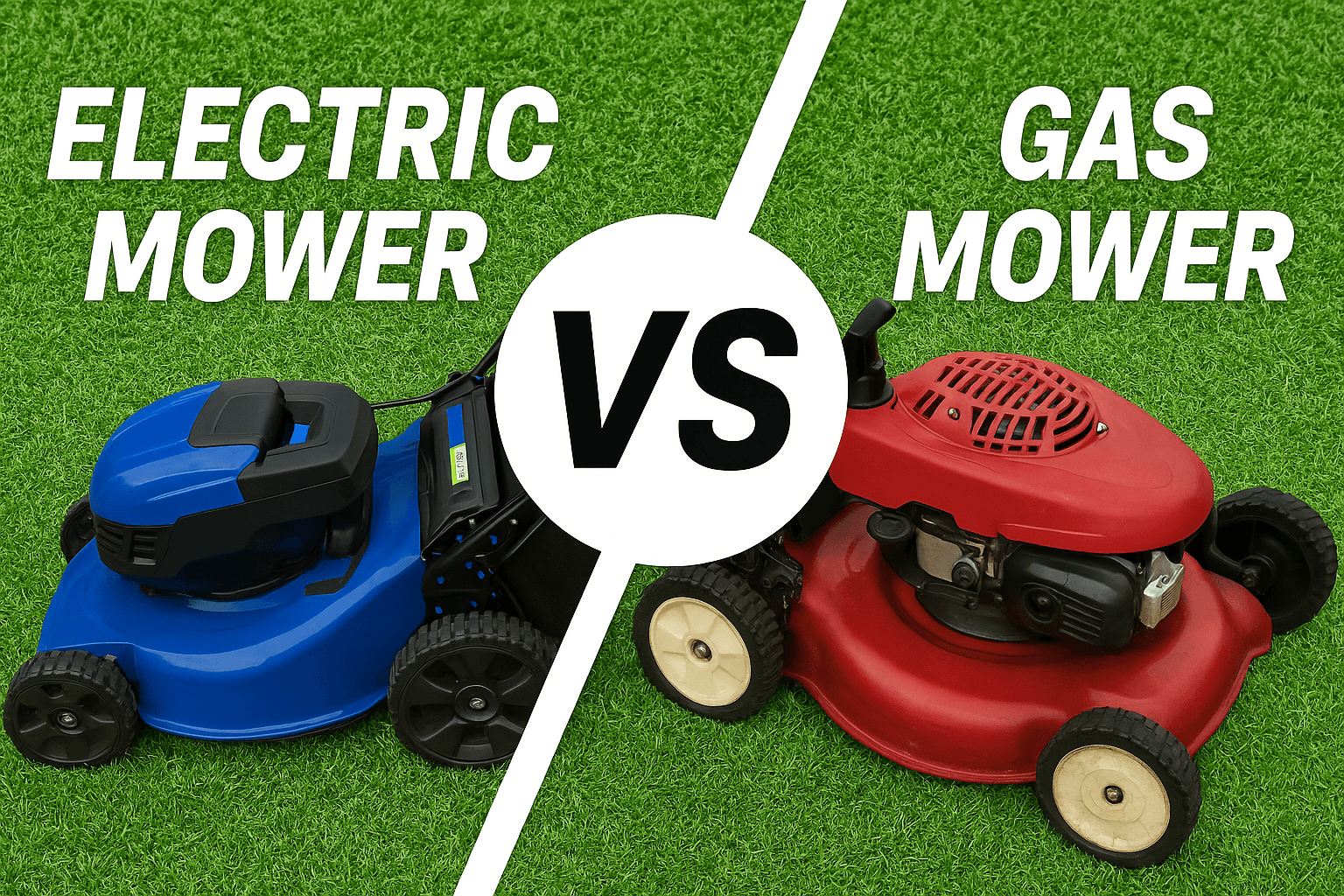
1. What Makes Gas and Electric Lawn Mowers Different
1.1. Maintenance and Storage
Gas mowers need regular refueling and seasonal maintenance, such as draining or winterizing the fuel, checking or replacing spark plugs, and changing the lawn mower oil and lawn mower filter. In contrast, an electric lawn mower is almost maintenance-free, except for occasional blade sharpening.
However, you should avoid storing the battery in very hot or cold conditions. Many electric mowers can also be stored vertically, saving valuable space in your garage — something you won’t find with most gas models.
1.2. Run Time
When it comes to run time, gas mowers are still the clear winner. But many electric vs gas lawn mower tests show that about two-thirds of electric walk-behind models can mow up to a quarter acre on a single charge. For larger yards, several electric zero-turn riding mowers can cut more than an acre, and some models can run for nearly two hours — enough to handle close to two acres of grass on one charge.
In the end, choosing between a gas vs electric push mower depends on what matters most to you: low maintenance and quieter operation, or longer run time and raw power.
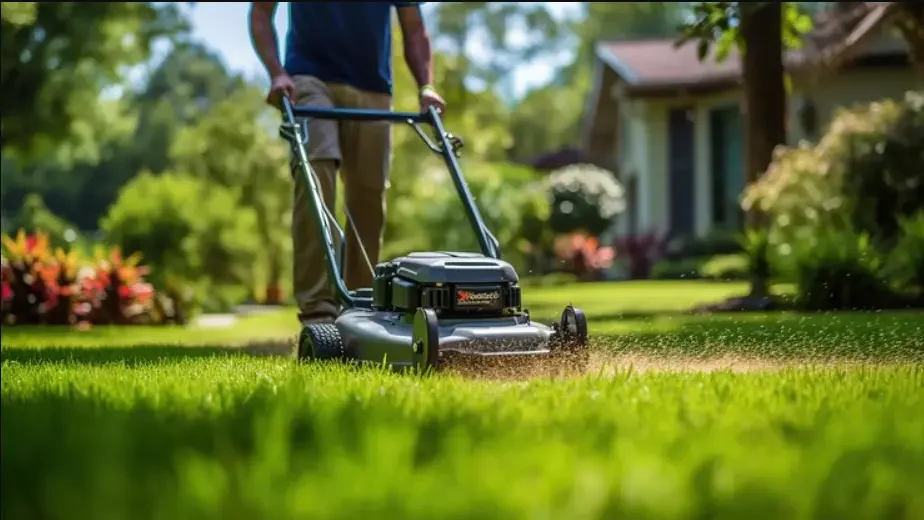
Electric Lawn Mowers (Source: Freepik)
2. Comparison Between Gas vs Electric Lawn Mower
2.1 Cutting Quality
Criteria | Gas-Powered Lawn Mower | Electric Lawn Mower |
Cutting Evenness | Usually more even and powerful, suitable for thick and tall grass | Cuts evenly on average lawns; performance decreases with very dense grass |
Side Discharge Capability | Effective, especially in high-powered models | Available but less powerful than gas mowers |
Mulching Ability | Good, suitable for large areas and thick grass | Good under conditions of not too tall grass; limited by power |
Grass Bag Capacity | Larger, collects more grass in one use | Smaller, requires more frequent emptying |
2.2 Handling and Usability
Criteria | Gas-Powered Lawn Mower | Electric Lawn Mower |
Maneuverability | Harder to control due to heavy weight and strong vibrations | Easier to control, lighter and more flexible |
Weight and Portability | Heavier, difficult to carry and move; suitable for physically strong users | Lighter, easy to carry and store; battery-powered models are more flexible |
Noise Levels | Noisy, can be disturbing if used for long periods or in residential areas | Quiet, operates with almost no noise |
Starting Process | Usually requires pull cord, needs strength and may take time | Just press a button, quick and convenient start |
2.3. Environmental Impact
Criteria | Gas-Powered Lawn Mower | Electric Lawn Mower |
Emissions and Pollution | Emits CO, CO₂, and other harmful pollutants; contributes to air pollution | No direct emissions; more environmentally friendly |
Energy Consumption | Uses fossil fuel (gasoline); higher fuel costs | Uses electricity or rechargeable batteries; energy-efficient and lower operating costs |
Noise Pollution | Produces loud noise; not suitable for residential areas | Very quiet; operates smoothly, ideal for quiet neighborhoods |
3. Pros and Cons of Electric vs Gas Lawn Mowers
3.1 Pros and Cons of Gas Lawn Mowers
Advantages:
- Powerful engine, handles thick, tall grass and large areas effectively.
- Can operate continuously for long periods without relying on electricity.
- Better at side discharge, mulching, and grass collection in tough conditions.
Disadvantages:
- Noisy and produces air pollution.
- Heavy, bulky, and difficult to move.
- Requires regular maintenance (oil changes, spark plugs, lawn mower cleaning, etc.).
- Start with a pull cord, which can sometimes be difficult.
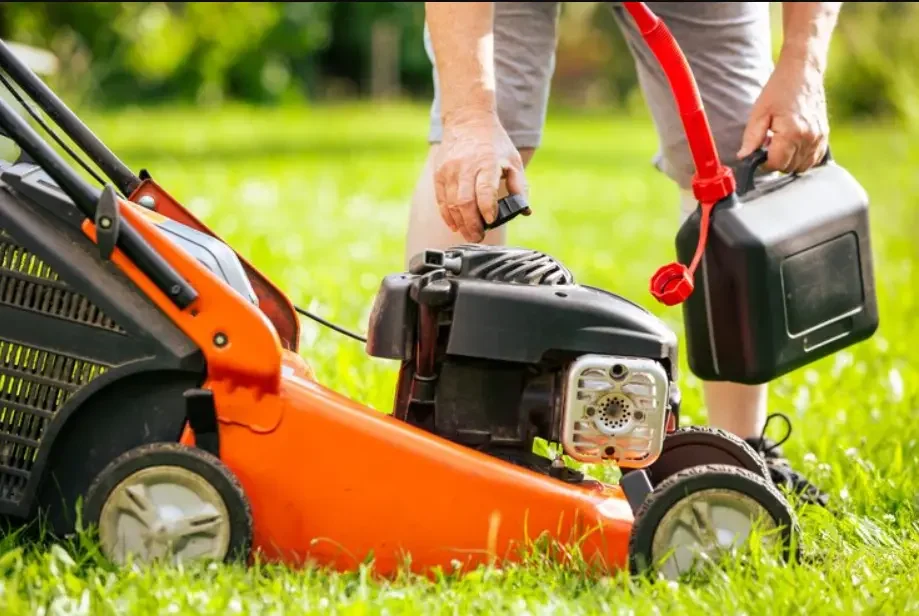
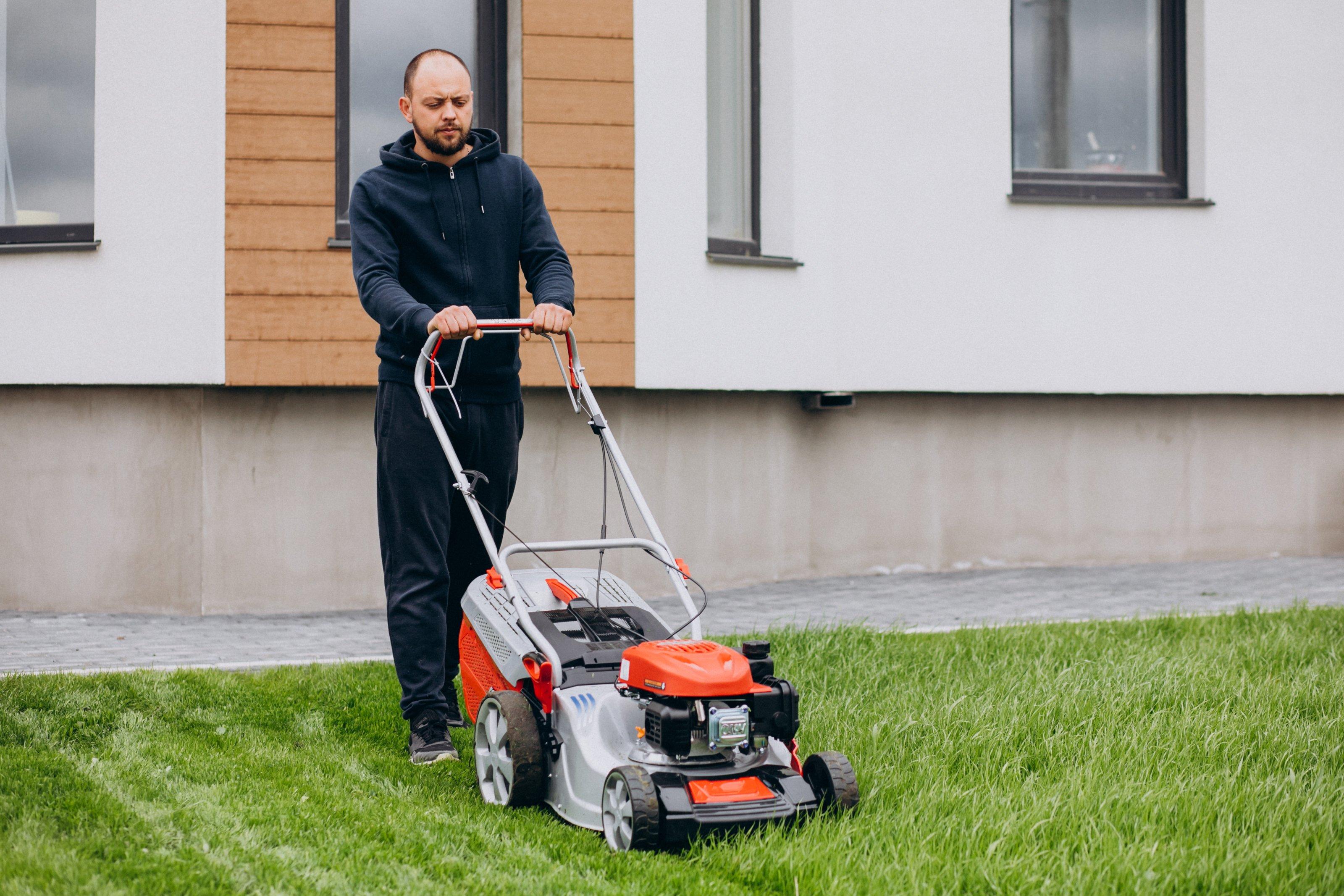
Gas Lawn Mowers has powerful engine but noisy and produces air pollution (Source: Freepik)
3.2 Pros and Cons of Electric Lawn Mowers
Advantages:
- Lightweight, easy to use and maneuver, suitable for those with less physical strength.
- Quiet operation, environmentally friendly with no emissions.
- Easy start with just a push of a button.
- Low maintenance, saving operating costs.
Disadvantages:
- Lower power, struggles with thick, tall grass or large areas.
- Corded models have limited range due to dependence on power outlets.
- Battery-powered models have limited runtime and need to be recharged after use.
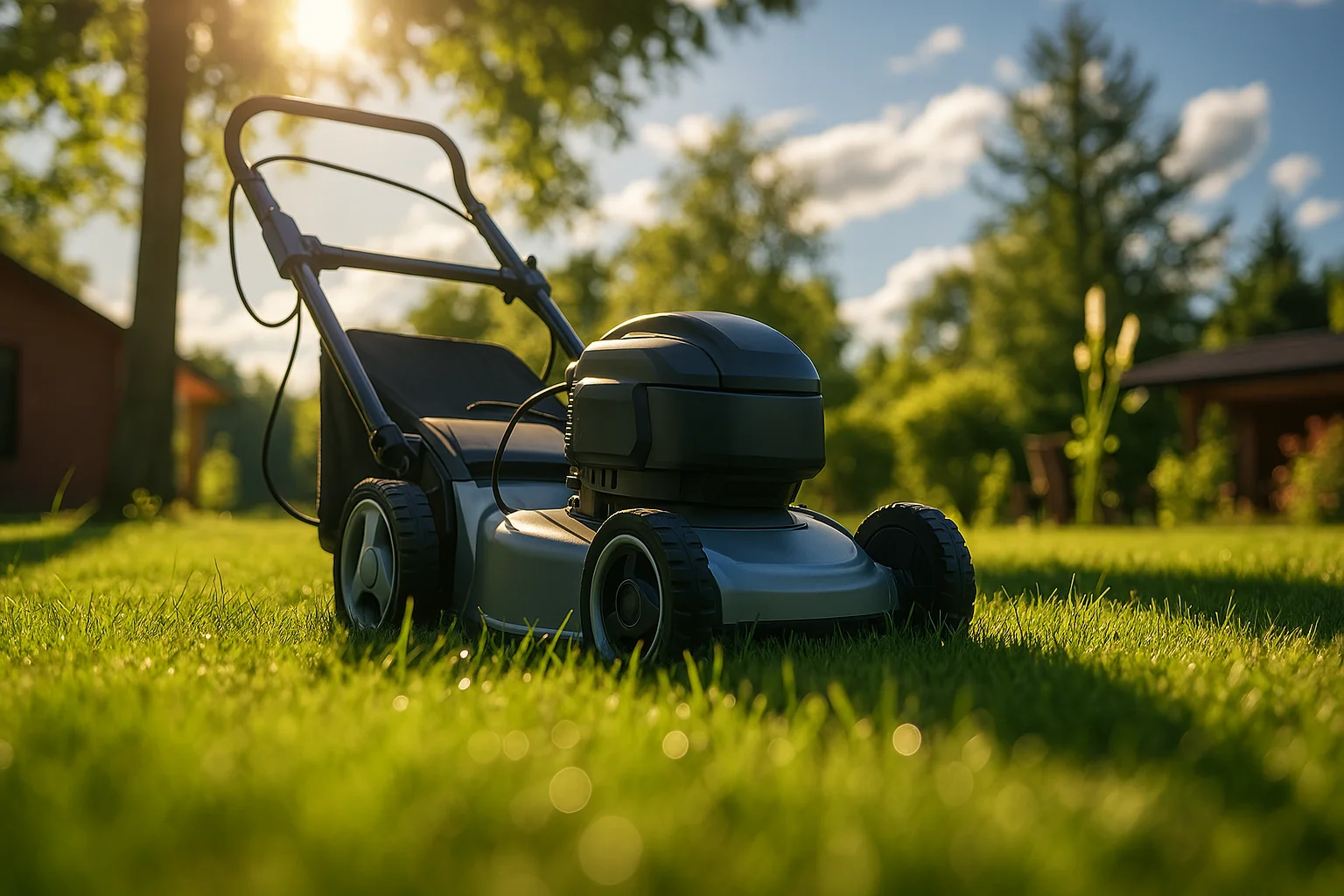
Electric Lawn Mowers easy to use but struggles with thick grass (Source: AZParts)
4. Which Lawn Mower Is Better for You?
Choosing between a gas-powered and an electric lawn mower depends on various factors such as the size of your lawn, grass density, surrounding environment, and personal needs. Here are some suggestions to help you make the right decision:
Choose a gas-powered lawn mower if you:
- Have a large lawn with thick, fast-growing grass.
- Need a powerful machine that can work continuously for long periods.
- Don’t mind maintenance or noise.
- Prioritize cutting performance over convenience.
Choose an electric lawn mower if you:
- Own a small to medium-sized garden with thin, sparse grass.
- Prefer a lightweight, quiet, and environmentally friendly option.
- Want to avoid complex lawn mower maintenance.
- Like quick starts and ease of use, especially if you are elderly or female.
In summary, gas mowers are suitable for those requiring strong power, while electric mowers are ideal for family users in residential areas.
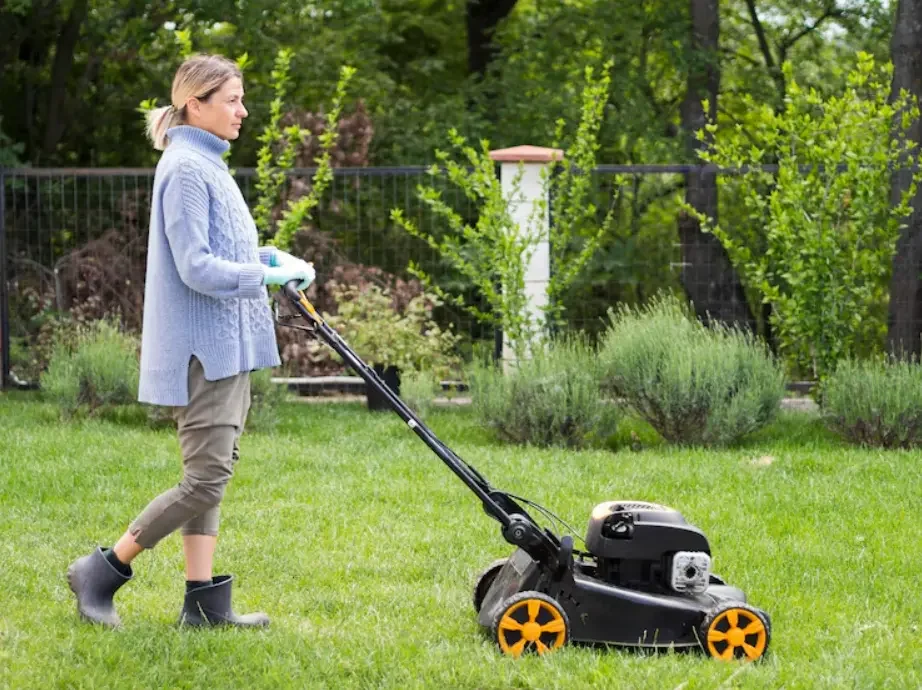
Gas mowers are suitable for those requiring strong power, while electric mowers are ideal for family users (Source: Freepik)
5. FAQs about Gas vs Electric Lawn Mower
5.1. Are electric lawn mowers better than gas?
The answer depends on your usage needs. Electric lawn mowers are better if you prioritize lightweight design, quiet operation, environmental friendliness, and ease of use. On the other hand, if you need a powerful machine to work on large areas or dense grass, a gas-powered mower is the better choice.
5.2. Is it worth switching to an electric mower?
It’s definitely worth it if you live in a residential area with a small to medium-sized garden and want an environmentally friendly, easy-to-use, and quiet device. However, if you are already using a gas-powered mower effectively for a large lawn, switching may not be necessary yet.
5.3. Do electric mowers last as long as gas?
Electric mowers typically last around 5–8 years, while gas mowers can last 8–10 years or more with proper maintenance. Gas models often have a longer lifespan due to their durable, repairable parts, whereas electric mowers are limited by battery life and less modular components.
Choosing between a gas-powered and an electric lawn mower depends on your specific needs, the size of your garden, and your personal preferences. If you require a powerful device to handle large areas and thick grass, a gas mower is the suitable choice. On the other hand, if you’re looking for convenience, environmental friendliness, and ease of use for a small to medium-sized garden, an electric mower is an ideal solution. Carefully consider factors such as performance, operating costs, noise levels, and flexibility to select the best lawn mower for your home.
If you need repair or replacement of any lawn mower parts, be sure to check out AZParts. They offer a wide range of high-quality lawn mower parts to keep your equipment running smoothly and efficiently. Whether you have a gas-powered or electric mower, AZParts provides reliable components to help you maintain and extend the life of your machine.
Contact Information:
8 The Green, Ste A, Dover, Delaware 19901-3618, United States
Read more:
Lawn Mower
Further Reading
Further Reading

How-To Guides
January 14, 2026
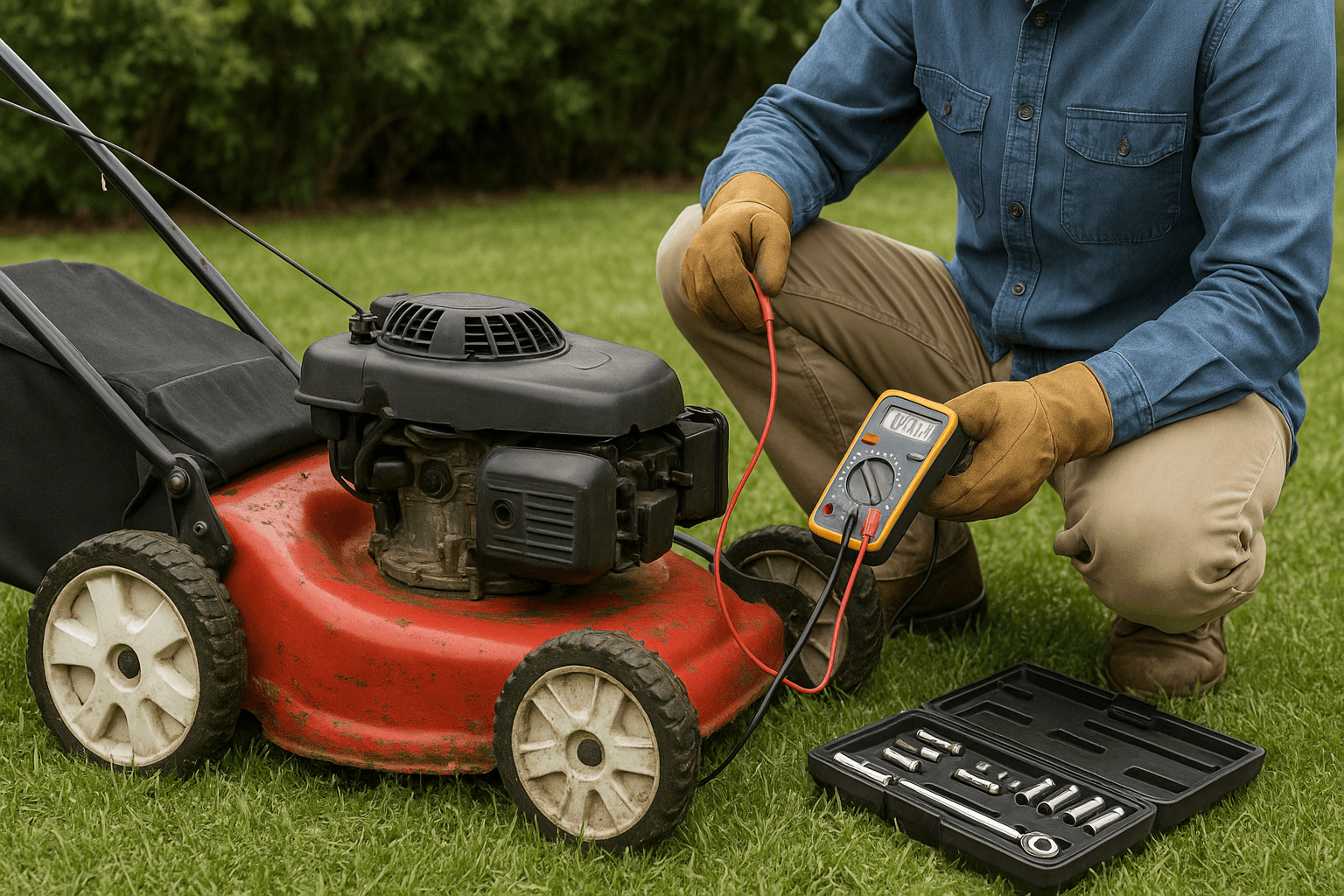
Proper care and cleaning of your clean lawn mower play a crucial role in maximizing its performance and durability. Keeping your mower in good condition helps promote a lush, healthy lawn while avoiding issues from accumulated debris. AZParts provides reliable, genuine parts and helpful guidance for easy mower upkeep. Find everything you need to keep your mower working perfectly.
How-To Guides
November 24, 2025
Is your lawn mower refusing to start, stalling mid-job, or cutting unevenly? Don’t let frustration take over your weekend plans. Whether it’s a faulty spark plug, clogged filter, or dull blades, understanding what’s wrong is the first step toward a smooth-running machine. AZParts will guide you through quick and effective lawn mower troubleshooting solutions so you can fix common problems with confidence and keep your yard looking its best.
Repair help
July 24, 2025
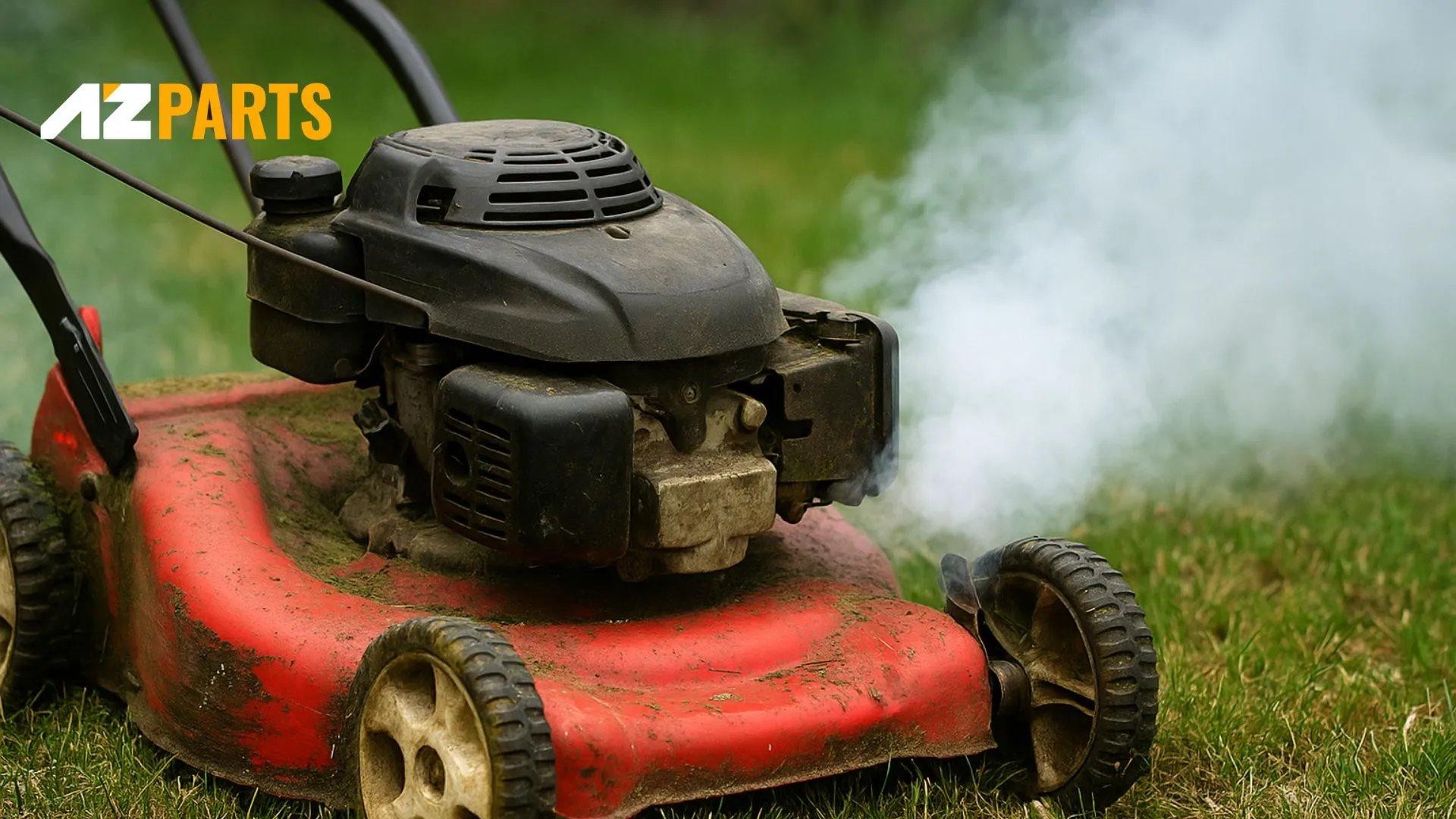
When your lawn mower runs rough, it can turn a simple job into a frustrating chore. From clogged filters to worn spark plugs, small issues can lead to big problems if left unchecked. In this guide, AZParts will help you diagnose the cause and get your mower running smoothly again with high-quality replacement parts and easy-to-follow repair guides.
Repair help
July 21, 2025
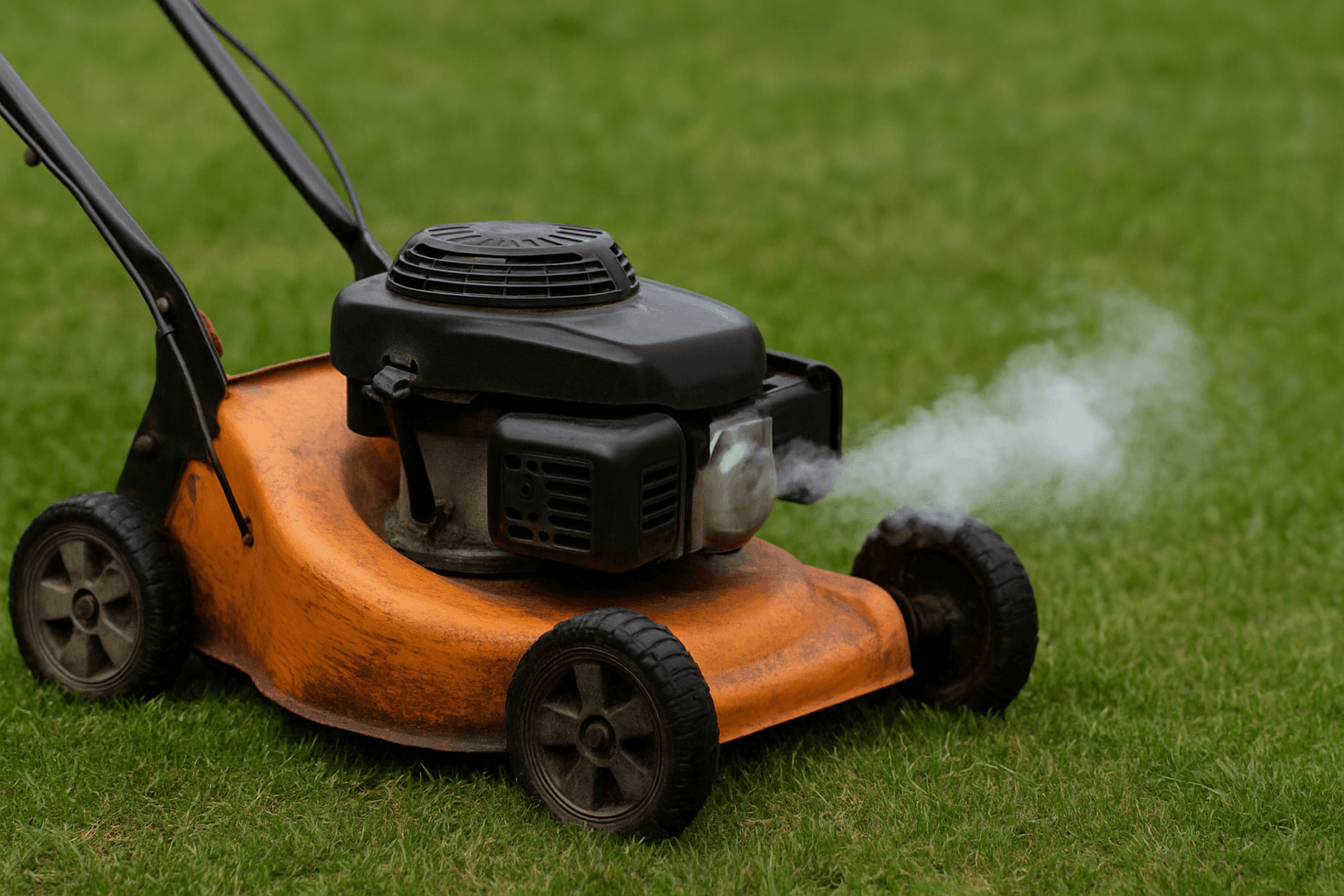
Seeing smoke rise from your lawn mower can be unsettling, but do not panic just yet. Whether it is a harmless case of spilled oil or a sign of a more serious issue, understanding the cause is the first step to a fix. From clogged air filters to engine overload, even electric mowers are not immune. AZParts will guide you through the diagnosis and provide the reliable parts you need to restore your mower’s power and performance. Get back to a clean, even cut with no smoke in sight.
Repair help
June 18, 2025
Maintaining a pristine lawn requires reliable equipment, and Troy-Bilt lawn mowers have earned their reputation as dependable workhorses in yards across America. However, even the most robust machines can encounter operational challenges that leave homeowners frustrated and lawns unfinished. In this essay, AZParts will help you identify common Troy-Bilt lawn mower problems and provide effective solutions to fix them quickly.